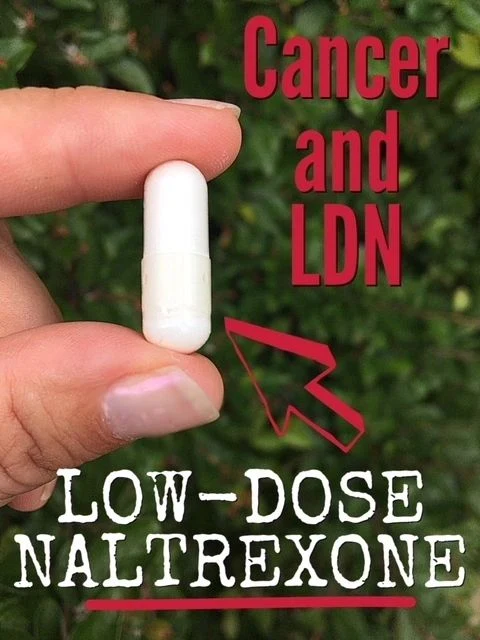
Last week I introduced a drug called Naltrexone that is traditionally used in larges doses to help people get off opiates like heroin. In small doses (LDN) it is a novel treatment for pain, inflammation, immune system dis- orders and cancer. In the 1980’s Dr. Bihari, a neurologist, stumbled across the anti-cancer effects of Naltrexone in people with HIV/AIDS and human cancer studies started in 2007. LDN blocks opiate receptors on cancer cells which then allows the immune system to attack and destroy the tumour by stimulating the cancer cell to make more tumour cell endorphin receptors.
LDN also reduces inflammation and tumour cell growth factor, both factors that help cancer grow more quickly. Low dose Naltrexone is especially indicated in breast, ovary, prostate, lung, throat, pancreas, colon, rectum, leukaemia, lymphoma and melanoma cancers. Good responses are seen in a little over half of cases and improvement is usually seen by a month of therapy. LDN is cheap, easy to take (one pill before bed) and at a starting dose of 1.5mg it is given at less than 10% of the typically used dose.
About 2% of people have some type of side effect that can range from sleep disturbance, reflux, nausea or vomiting and all side effects are easily managed by lowering the dose. Gradually, over several weeks, the dose is increased to a maximum of 4.5 mg. Because LDN blocks opiate receptors opiate pain killers are ineffective while on treatment while aspirin, acetaminophen and ibuprofen can be used effectively.