Chronic pain is one of the most common sources of angst for those of us lucky enough to be on this side of the ground. There are 7 of us practicing in our clinic and all of us are busy trying to help people who hurt, often ourselves too. Over the next few weeks I’ll be writing in detail about the various restorative injection therapies available for the management of acute and chronic pain. The term restorative refers to treatments that mobilize the body’s innate healing capacity or use naturally occurring agents to help heal.
Suppressive therapies, in contrast, do not stimulate healing but work by stopping inflammation and blocking pain. Examples of suppressive therapy include cortisone and NSAID drugs like Advil. There is a time and place for all types of treatments and I use both restorative and suppressive therapies in my practice. If, for example, someone comes to see me for plantar fasciitis and they are in severe pain I’ll often suggest we start treatment with the ultrasound guided injection of a small dose of cortisone to break the pain cycle before beginning a restorative therapy.
Repeated use of suppressive therapies, however, should be avoided as the evidence tells us that this treatment approach accelerates the degenerative process that unrelenting Father Time has already set. Restorative injection therapies like neural and peri-neural therapy, prolotherapy and PRP can be very helpful to stimulate the repair and maintenance processes of our body. Hyaluronic acid (HA) is unique in that it is a temporary replacement for the slippery, shock absorbing fluid found in a healthy joint.
Neural and peri-neural therapy are best for pain stemming primarily from injury to the nerves and/or nervous system. Prolotherapy and PRP are most helpful for injured ligaments, tendons and joints, while HA is exclusively used to help people with knee and hip osteoarthritis. Deciding where to start is often as much art as science and the decision is usually found at the intersection of what makes the most sense to patient and clincian.
Regardless of the treatment chosen, I now use an ultrasound to guide almost all the injection therapies I use. Not only is ultrasound helpful in identifying and diagnosing the injury, it also allows me to visualize the needle and the target tissue and place the treatment precisely where it needs to be
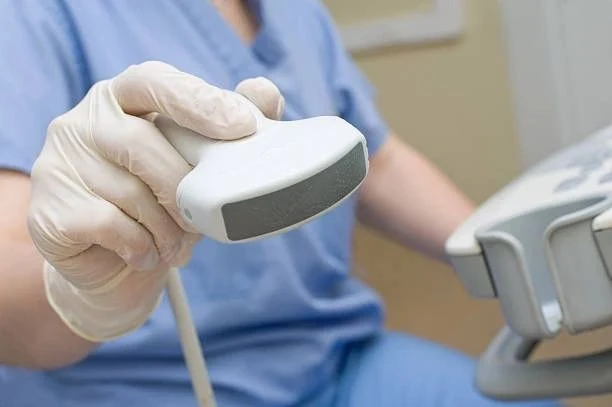
. Next week we’ll start taking a deeper dive into each of these approaches.